
A blazer can be useful without belonging to a matching suit. The challenge is choosing one that works with the clothes you already reach for, rather than buying an entire new outfit around it. Start with the layer underneath and the amount of structure you want, then check how the jacket behaves when you sit and move.
Pick two outfits from your own closet
Choose one everyday combination and one slightly dressier option. For example, compare jeans and a T-shirt with trousers and a shirt. These are reference outfits, not a dress-code rule. If your workplace has specific requirements, use those as the starting point.
Bring the actual base layer to a fitting when possible. A thick knit and a thin shirt can make the same jacket feel different. Decide whether you want to wear the blazer mostly open, occasionally fastened, or under another coat; each use deserves a quick check.
Check the shoulder shape and collar together
Look at the jacket from the front, side, and back. Notice whether the shoulder shape matches the intended design and whether the collar sits comfortably over your chosen layer. A deliberately dropped shoulder should not be judged as if it were a conventional tailored one.
Look for pulling or bunching that you would keep trying to smooth. Compare another size, but also consider another cut. Sizing up may add room through the torso while leaving sleeves longer than you want, so evaluate the whole garment rather than fixing one detail in isolation.
Move as you would during a normal day
Reach forward as if using a keyboard, bend your elbows, and sit down. Fasten the jacket if you expect to wear it that way. Check whether the front pulls, the collar shifts awkwardly, or the armholes make ordinary movement uncomfortable.
Put your usual bag strap over the jacket and try your coat on top. A blazer that feels fine alone may become crowded under outerwear. Our coat layering checklist provides a useful second check before you commit to the combination.
Judge the pockets, sleeves, and upkeep
Check sleeve length against your normal shirt and how you use your hands. Try the pockets only if they are open; do not cut temporary stitching on a garment you may return. Ask the store about pocket construction if the opening is unclear.
Read the care label and inspect the lining and seams. If an alteration seems necessary, ask a tailor about that exact garment before buying it on final sale. Sleeve details, lining, and construction can affect what is practical, so avoid assuming every adjustment is small or inexpensive.
Choose the jacket that needs fewer workarounds
Try both reference outfits again and compare the result in similar lighting. Does the blazer solve the reason you went shopping? Does it require a new shirt, new pants, and special care you will struggle to arrange? Those extra requirements belong in the purchase decision.
An illustrative brief might be “an unstructured jacket for a T-shirt at work and a shirt at dinner.” Use that sentence to eliminate attractive but unsuitable options. If you need the T-shirt first, follow our white T-shirt checklist and check the neckline under the blazer.
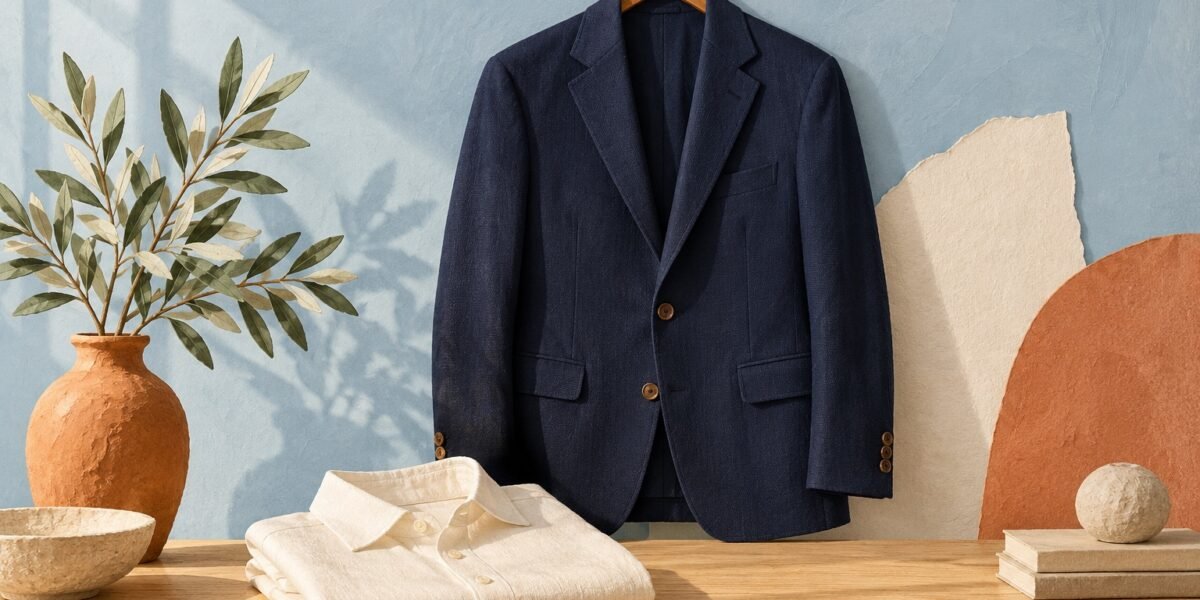
Cover: AI-generated editorial illustration of generic items, not a photograph of a tested product.
Anna · Daycraftly
I’m drawn to small ideas that make everyday life a little easier: a calmer morning, a tidier home, or a routine that leaves more room for what matters. Here you’ll find practical ways to organize your day, thoughtful everyday finds, and simple habits worth trying. My favorite kind of upgrade is one that fits into real life without turning it into another project.
Join the conversation
Share a useful tip or ask a question. Comments are reviewed before publication. Your email address will not be displayed.



Leave a Reply