
A desk lamp can look perfect in a product photo and still leave your notebook in shadow. The arm may not reach the spot where you write, the base may occupy your only clear corner, or the switch may sit behind the monitor. Start with your workspace and task before comparing finishes or extra features.
This is a buying framework, not a hands-on ranking of specific lamps. No model shown in the cover is being recommended. The goal is to help you reject unsuitable options before ordering and test a promising lamp while you can still use the seller’s return process.
1. Map the area that needs light
Sit at the desk with your normal setup: laptop or monitor, keyboard, notebook, and anything you use regularly. Mark where the lamp could stand and where its light needs to land. Measure the available base space and the distance to the writing area rather than estimating from a product photo.
Look at the desk when you normally work. Daylight may make a lamp seem unnecessary at noon even though you need it after dinner. If you are also changing your laptop stand or monitor position, settle that layout first so the lamp does not have to compensate for a moving target.
2. Choose a base or clamp that fits
A freestanding base is easy to move but uses desktop space. A clamp can free that space, provided the manufacturer’s stated opening fits your desktop and the edge is suitable. Check the underside: drawers, cable trays, and a beveled edge may prevent the clamp from sitting as intended.
Compare the lamp’s usable reach, not just its total height. A tall lamp can still have a short arm. Check whether you can aim the shade at both your notebook and a nearby reading spot without moving the base every time. Include clearance from shelves and the monitor in your measurements.
3. Check glare before choosing brightness features
A brighter setting is not a solution if the light reflects in your screen or the bulb shines directly toward your eyes. OSHA’s workstation environment guidance emphasizes controlling glare and positioning task lighting appropriately. Its purchasing checklist also discusses adjustable lighting and stable support.
As a practical check, view the lamp from your seated position, not just while standing in a showroom. Move the head and shade through their range. Compare how the light falls on the page and whether the screen reflects it; the useful setting depends on your task and room.
4. Read the details that affect daily use
Find out whether the lamp has a replaceable bulb or an integrated light source. With a replaceable bulb, check the required base and the manufacturer’s permitted specifications. With an integrated design, look for information about service or replacement rather than assuming the light unit can be changed at home.
Check the controls and cable length. A physical switch may suit you better than an app, and brightness memory matters only if you want the lamp to restart at the previous setting. If considering an imported model, confirm that its electrical specifications and plug are suitable for your location before ordering.
5. Compare two candidates with the same checklist
For each lamp, write down: base or clamp fit, usable reach, shade adjustment, switch location, power requirements, light-source replacement, delivered cost, and return terms. Mark unknown information as unknown. A listing that omits a crucial dimension has not demonstrated that the lamp will fit.
Imagine a concrete task: writing on a notebook beside your keyboard for an evening session. Candidate A may have more settings, but Candidate B may place a simple switch within reach and leave room for your hand. Choose for that actual use rather than counting features you have no plan to use.
6. Test the lamp in your normal setup
Keep packaging until you have checked the fit and operation. Follow the setup instructions, then try the lamp during a typical work session. Check the page, the screen, the stability, and the control you use most. Route the cable so moving your chair or notebook does not pull on it.
If the arm droops, the clamp cannot mount correctly, or the light still reflects in the screen throughout the usable range, contact the seller within the applicable return period. A suitable desk lamp should work with the space you have, without requiring you to rebuild your everyday routine around it.
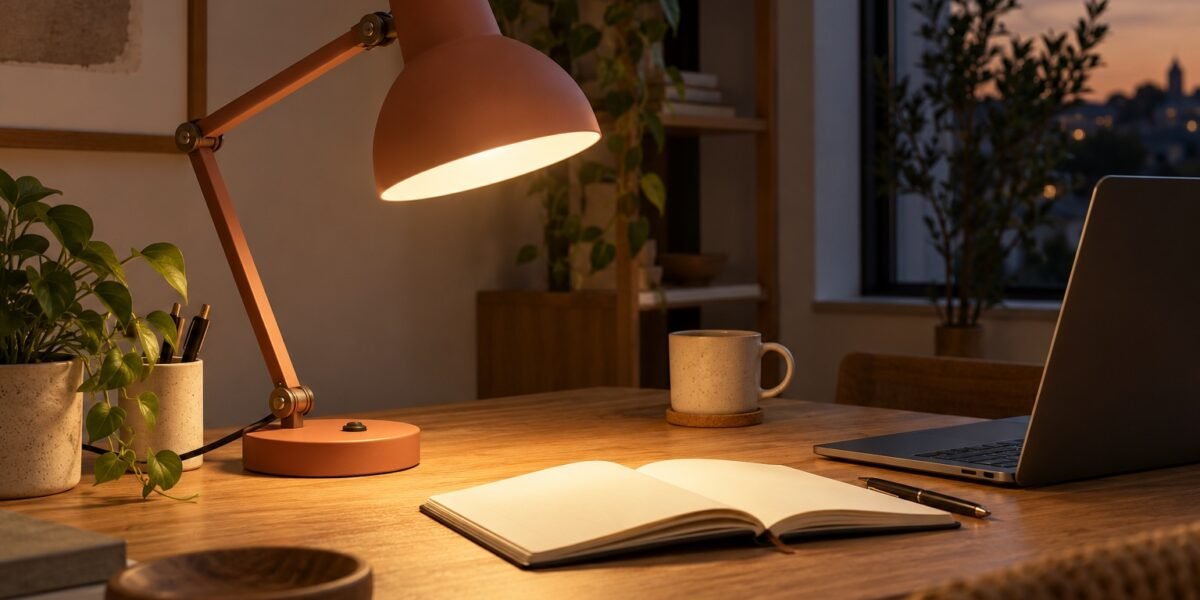
Cover: AI-generated editorial illustration.
Emma · Daycraftly
A good deal is more than a crossed-out price. I’m all about clever finds, useful products, and checking what you actually get for your money. From AliExpress discoveries to everyday essentials, my focus is on the details behind the offer: materials, features, seller information, and return terms. Think less impulse-buy clutter and more things you’ll be glad you found.
Join the conversation
Share a useful tip or ask a question. Comments are reviewed before publication. Your email address will not be displayed.



Leave a Reply