
A coat can look comfortable over a thin T-shirt and feel completely different over the sweater you wear every morning. Bring the decision back to your normal routine: the layers underneath, the time spent outdoors, and what you need to carry. This checklist is for everyday coat shopping, not a warmth rating or a test of a particular product.
Define the conditions you are shopping for
Write a short description of a typical outing: walking to a train, driving to work, or taking a long neighborhood stroll. Include whether you expect wind or rain and how often you move indoors. A dress coat for short trips and a technical shell for wet weather solve different problems.
Check the manufacturer’s stated purpose and construction details. Do not infer waterproofing or a temperature limit from thickness, color, or the word “winter.” If weather protection is essential, seek specific product information instead of relying on a styled photograph.
Bring the layers you will actually use
Wear or bring a representative shirt and sweater. If you regularly carry a shoulder bag, include that too. Manufacturer fit descriptions can help: Patagonia’s size and fit guide, for example, distinguishes fits and provides measurement guidance. Interpret those descriptions within the brand’s own system.
Try the expected size first, then compare another only if needed. Going larger may create space in one area while changing the sleeve length and overall shape. If the torso, shoulders, and sleeves cannot work together, a different cut may be a better candidate.
Close it and move through ordinary actions
Fasten the coat as you would outside. Reach forward, bend your elbows, put your hands in the pockets, and sit down if the fitting area allows it. Notice pulling across the back, pressure under the arms, or closures that strain. Do not force a zipper to overcome a fit problem.
Check the length while walking and seated. A long hem may be welcome outdoors but awkward in your particular commute. Try the collar in the position you expect to wear, and check a hood with your normal hairstyle or hat if those details matter to you.
Check the small details with your daily items
Put your phone in the intended pocket and see whether you can reach it with the coat closed. Test closures gently. Check whether pocket placement conflicts with a bag strap or makes the front hang awkwardly. A pocket that exists in a product description may still be inconvenient for your phone.
Look at the lining, seams, buttons, and hanging loop. Read the care label and consider the practical cost of the stated cleaning method. If alterations are part of your plan, get advice on feasibility and price before buying; not every fit issue can be fixed simply.
Make the final choice as a complete outfit
Compare the best candidates over the same layers. For example, use your weekday sweater, usual trousers, and the shoes you wear on the commute. This keeps a change of outfit from making one coat seem more practical than it is.
Check the return conditions before taking it home, and keep tags attached during any permitted indoor reassessment. If the coat works but the neckline needs another layer, our scarf guide helps you judge bulk and length with the actual coat.
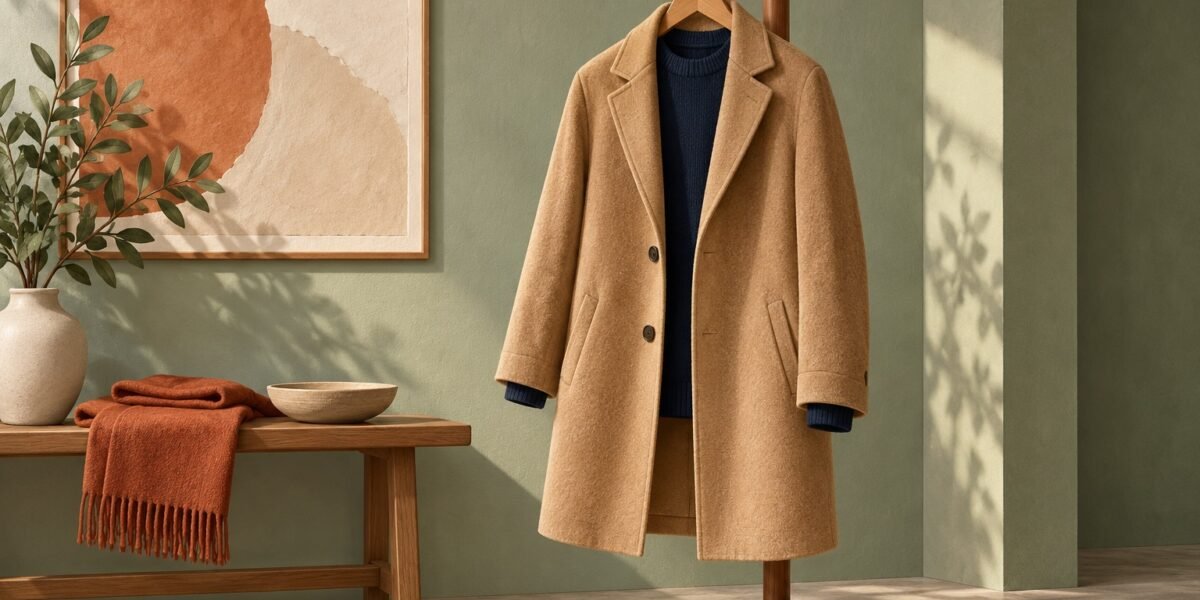
The cover is an AI-generated editorial illustration of generic items, not a photograph of a tested product.
Anna · Daycraftly
I’m drawn to small ideas that make everyday life a little easier: a calmer morning, a tidier home, or a routine that leaves more room for what matters. Here you’ll find practical ways to organize your day, thoughtful everyday finds, and simple habits worth trying. My favorite kind of upgrade is one that fits into real life without turning it into another project.
Join the conversation
Share a useful tip or ask a question. Comments are reviewed before publication. Your email address will not be displayed.



Leave a Reply