
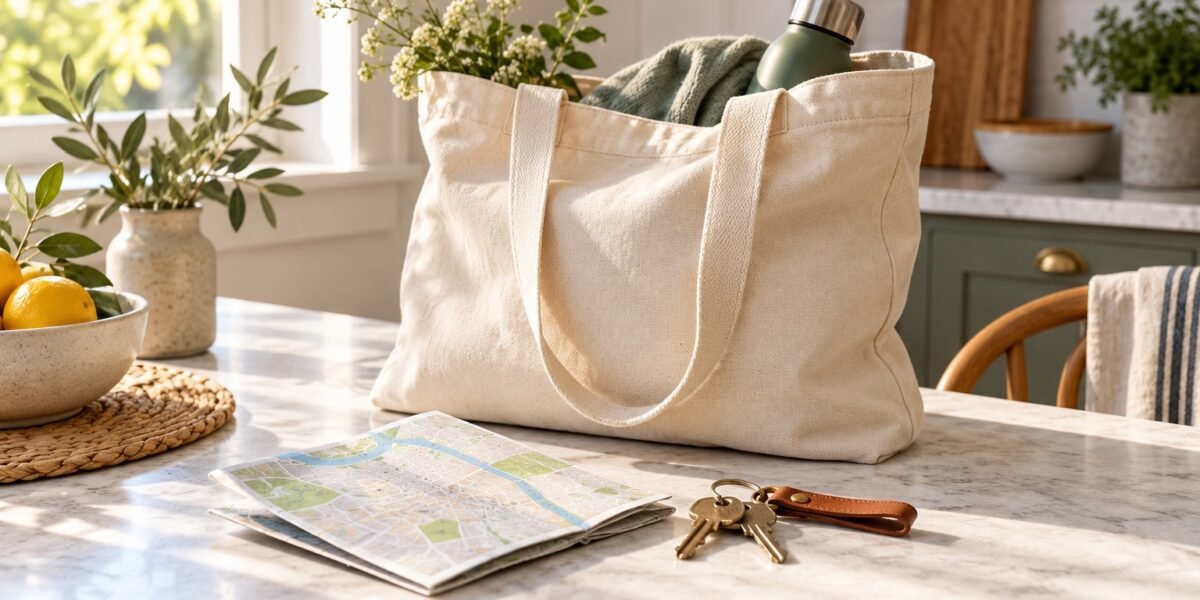
An errand list can look short while hiding several separate trips: the return needs a label, the collection needs a reference number, and the shop is across town from everything else. Planning the requirements matters as much as choosing the order of the stops.
Use this approach before a routine round of local errands. It is a way to make the trip more manageable, not a promise of the fastest route or a substitute for current travel information.
Separate necessary stops from optional ones
Write down what you actually need to accomplish. Distinguish a task with a real deadline from something that would simply be convenient to do today. If a stop requires a booking or a particular person, note that dependency beside it.
Choose a small set that fits the time you have available. A list is not an obligation to complete everything in one outing. Moving an optional stop to another day may be more useful than adding a long detour that puts the important task at risk.
Check the conditions before leaving
Verify current opening hours and any collection, return, or appointment instructions from the relevant business. Do not rely on an old screenshot if the trip depends on a narrow time window. If a requirement is unclear, resolve it before carrying the item there.
For each stop, ask what you need to bring: an item, a confirmation code, packaging, a form, or another person’s approval. Keep personal documents secure and bring only what the task requires. An errand that cannot be completed yet belongs on a waiting list rather than in today’s route.
Group nearby stops around fixed commitments
Start with the appointment or time-sensitive stop, then consider what is nearby and practical to combine. Use current route information for the transport you intend to take. Think about the walk between locations, parking or transit changes, and how much you will be carrying.
Avoid optimizing only for the shortest distance. A small detour may make sense if it lets you finish a collection before carrying bulky purchases. If your route includes anything with special transport or storage needs, follow the relevant instructions rather than treating it like an ordinary bag of shopping.
Prepare one ready-to-go set of items
Put the things needed for the trip together in an appropriate place. Keep the list with the items or in the note you will actually open while out. Mark tasks that are already prepared so you do not confuse “return parcel” with “print label for parcel.”
A fictional plan might look like this:
- Collection: confirmation number saved; collection window checked.
- Return: item packed; the business’s return instructions checked.
- Household shop: buy only the items on the current restock list.
- Optional stop: visit only if the first three leave enough time.
Keep the plan short. Your entryway drop zone can hold the ready items, while a shared restock list reduces duplicated purchases.
Close the loop when you get home
Put purchases away, record any follow-up, and remove completed tasks from the list. If a collection was unavailable or a return needs another step, write the specific next action while the details are fresh. “Call to confirm availability” is more useful than leaving the same unfinished stop on tomorrow’s list.
Notice which part made the outing difficult. Was a stop unnecessary, a requirement missing, or the carrying load too large? Adjust the next trip around that practical observation. A manageable routine leaves room for an unexpected queue or a change of plan without making the entire day feel unsuccessful.
Anna · Daycraftly
I’m drawn to small ideas that make everyday life a little easier: a calmer morning, a tidier home, or a routine that leaves more room for what matters. Here you’ll find practical ways to organize your day, thoughtful everyday finds, and simple habits worth trying. My favorite kind of upgrade is one that fits into real life without turning it into another project.
Join the conversation
Share a useful tip or ask a question. Comments are reviewed before publication. Your email address will not be displayed.



Leave a Reply